Optimal Timing for Lead Paint Removal
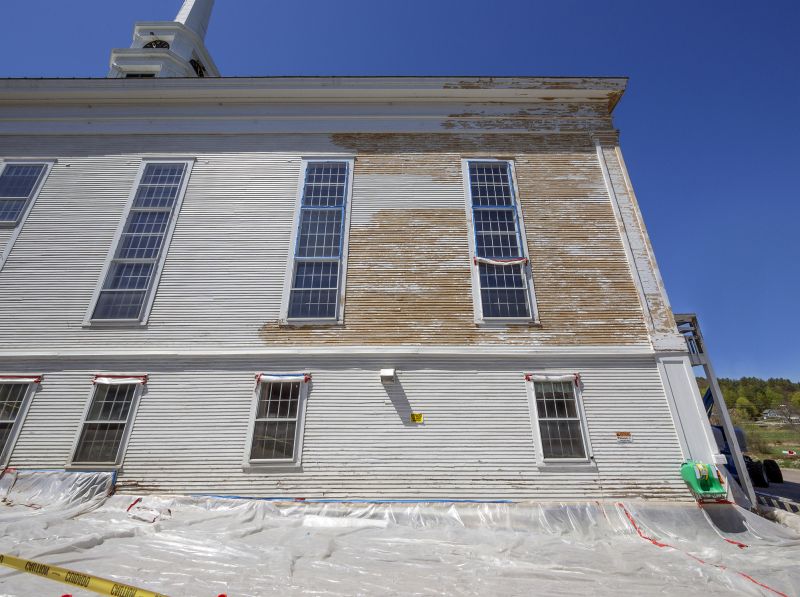
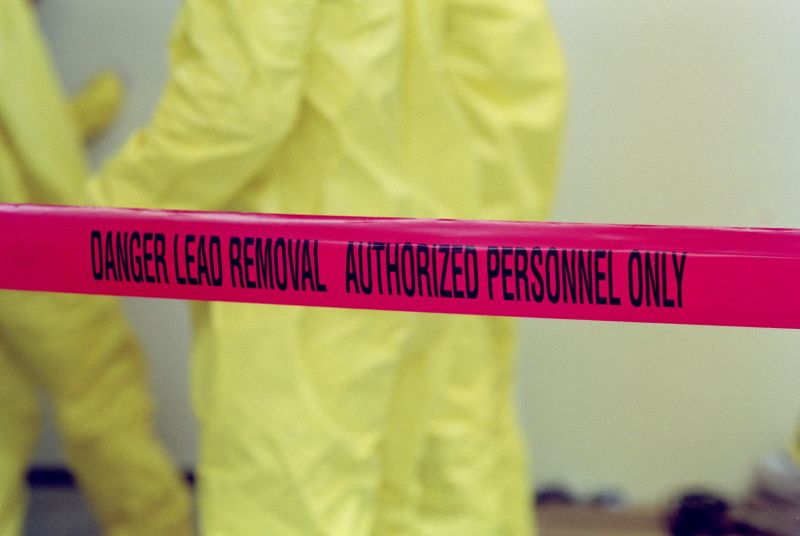
Indoor lead paint removal is typically best during dry, mild weather to ensure proper ventilation and safety.
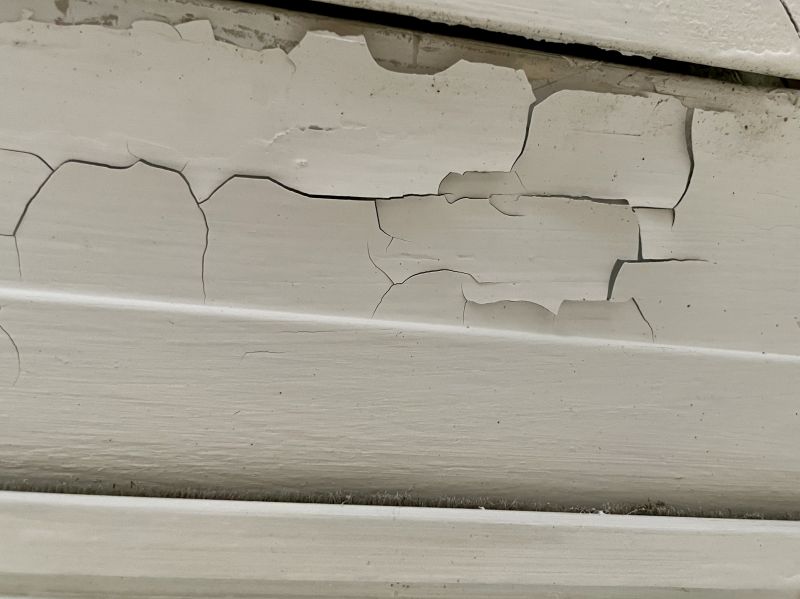
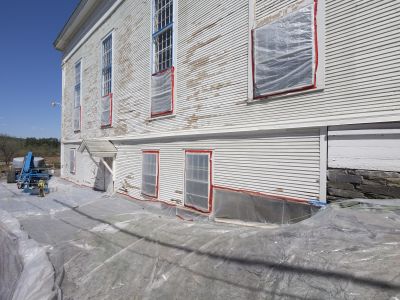
Outdoor projects are most effective in warmer months with low humidity to facilitate safe and efficient removal.
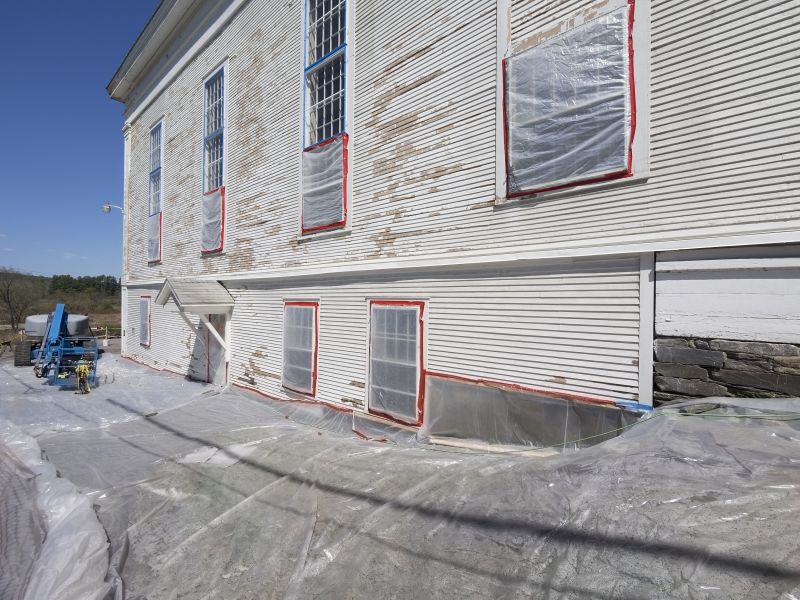
Avoid lead paint removal during extreme cold or rainy seasons to prevent complications and ensure safety.
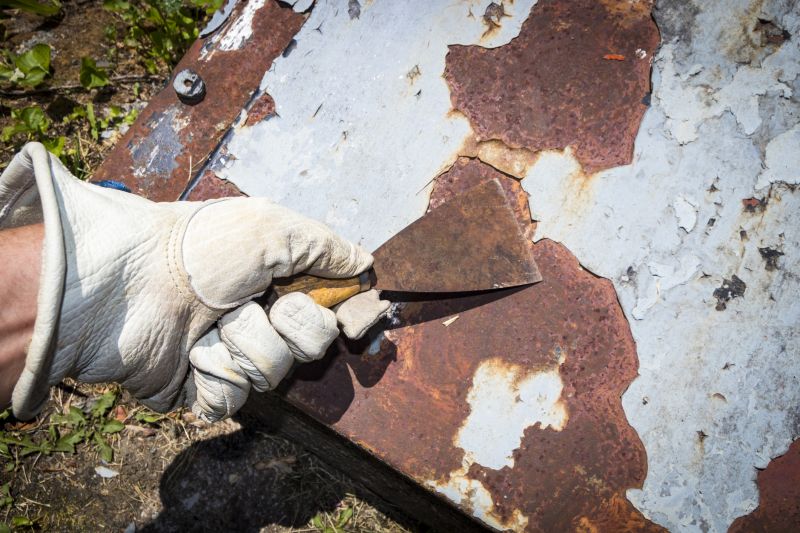
Ways to make Lead Paint Removals work in tight or awkward layouts.
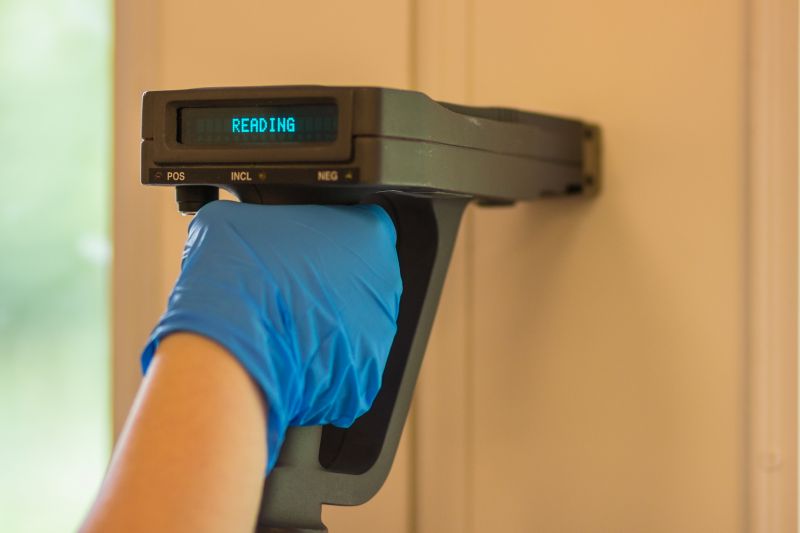
Popular materials for Lead Paint Removals and why they hold up over time.
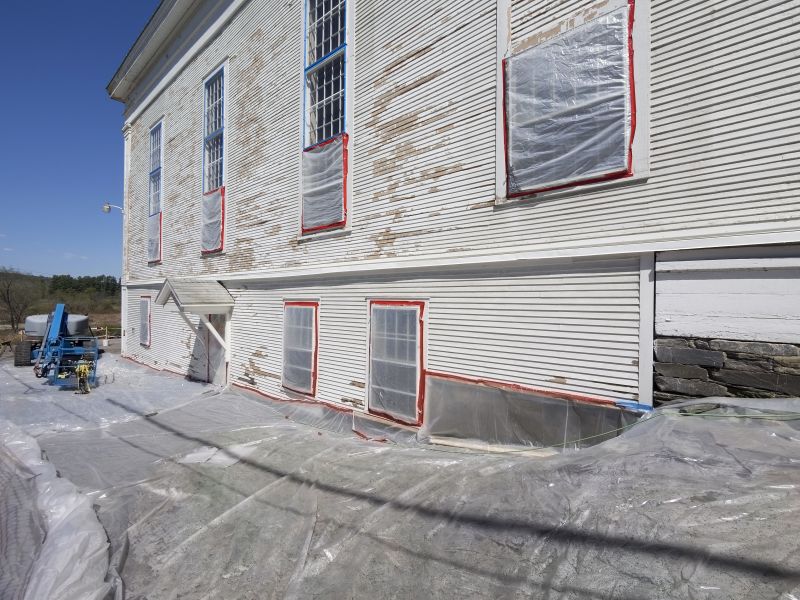
Simple add-ons that improve Lead Paint Removals without blowing the budget.
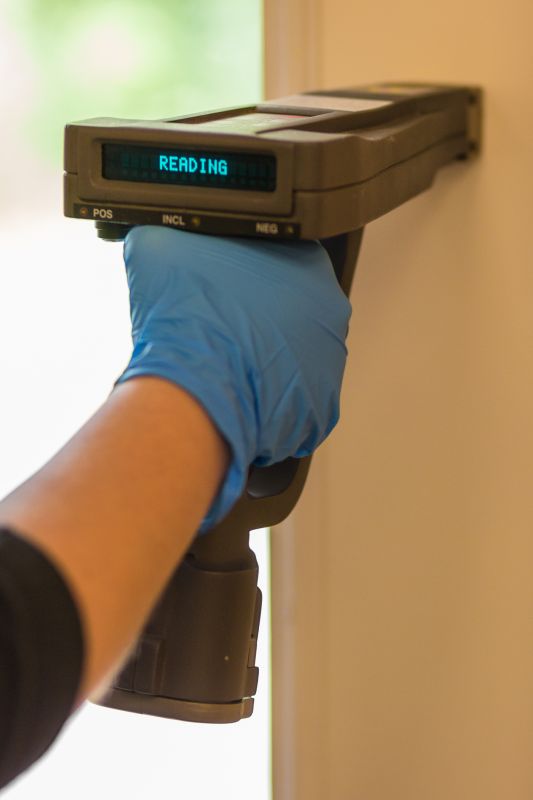
High-end options that actually feel worth it for Lead Paint Removals.
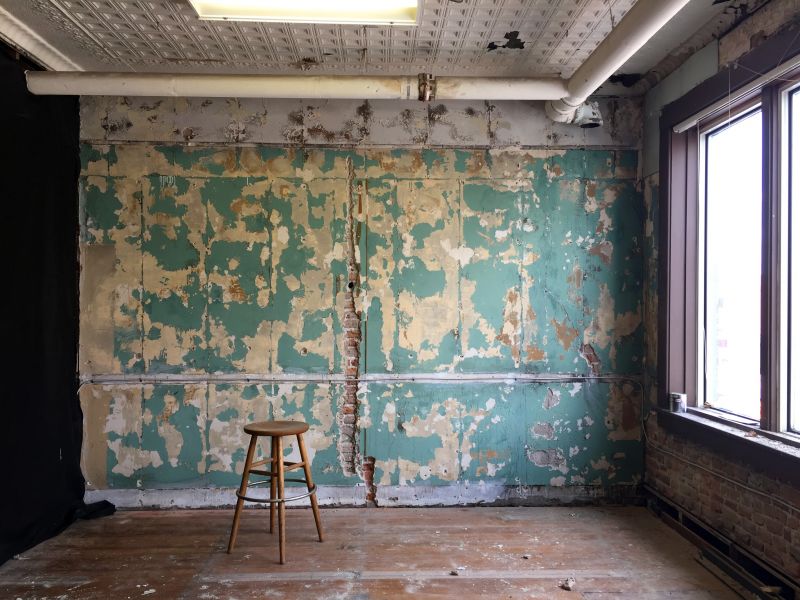
Finishes and colors that play nicely with Lead Paint Removals.
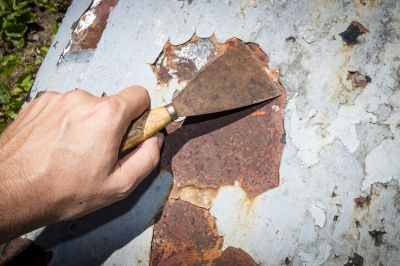
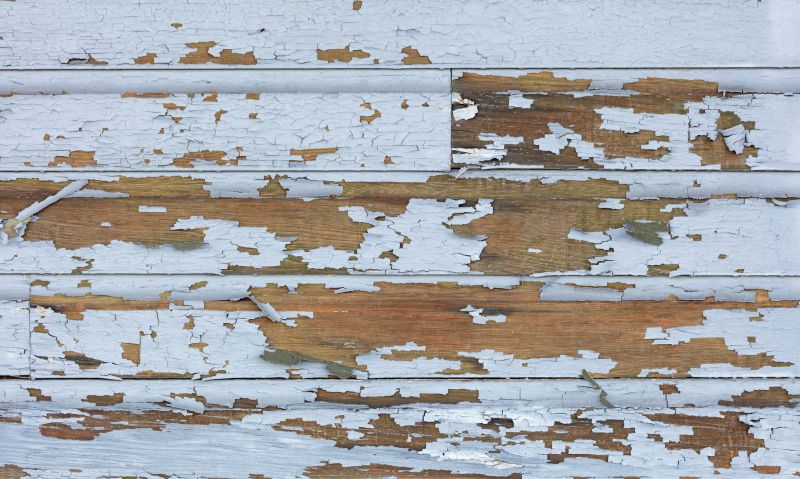
Lead paint removal is a critical process for maintaining safety in older buildings. Lead-based paint was widely used before its ban, and its deterioration can pose serious health risks. Proper timing and conditions are essential to ensure effective removal and minimize exposure. Typically, the optimal time for lead paint removal depends on weather conditions, project scope, and the environment—indoor or outdoor.
Statistics indicate that homes built before the late 1970s are more likely to contain lead-based paint. The removal process must be carefully scheduled to avoid periods of high humidity or extreme temperatures, which can compromise safety procedures. Conducting removals during suitable weather conditions helps ensure that containment measures are effective and that the environment remains safe during and after the process.
Scheduling lead paint removal during optimal weather conditions enhances safety and efficiency.
Removing lead paint in unsuitable weather can increase exposure risks and complicate containment efforts.
Indoor projects are less affected by weather but still benefit from dry, calm days for safety.
Planning around seasons with moderate temperatures reduces complications during removal.
Spring offers moderate temperatures ideal for outdoor lead paint removal projects.
Summer provides warm, dry conditions suitable for both indoor and outdoor removal work.
Fall's mild weather can be optimal, but caution is needed to avoid early cold snaps.
Winter is generally unsuitable due to cold temperatures and high humidity, which can hinder safety procedures.
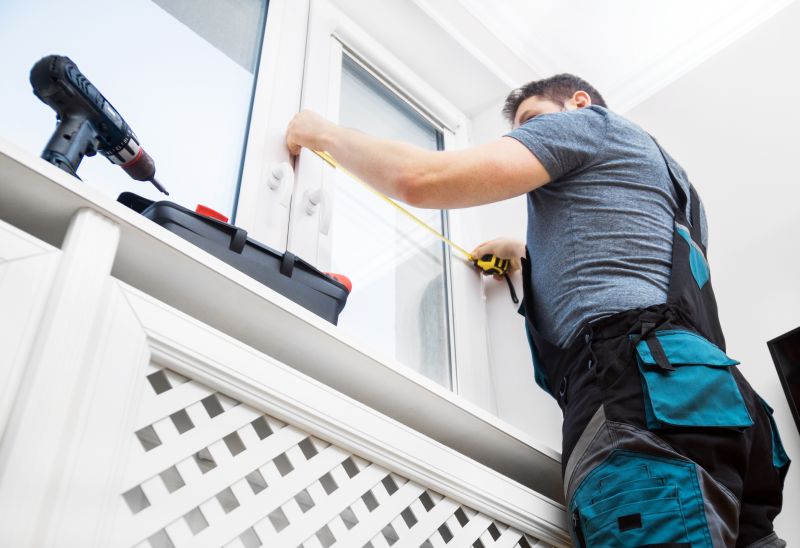
Little measurements that prevent headaches on Lead Paint Removals day.
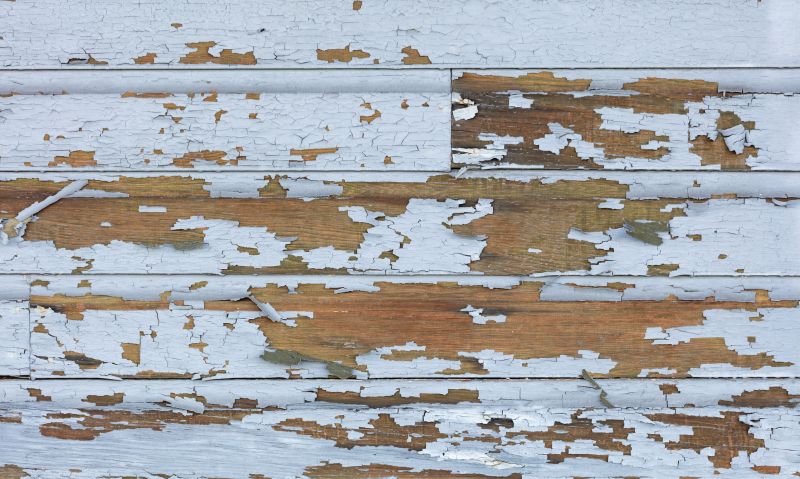
A 60-second routine that keeps Lead Paint Removals looking new.
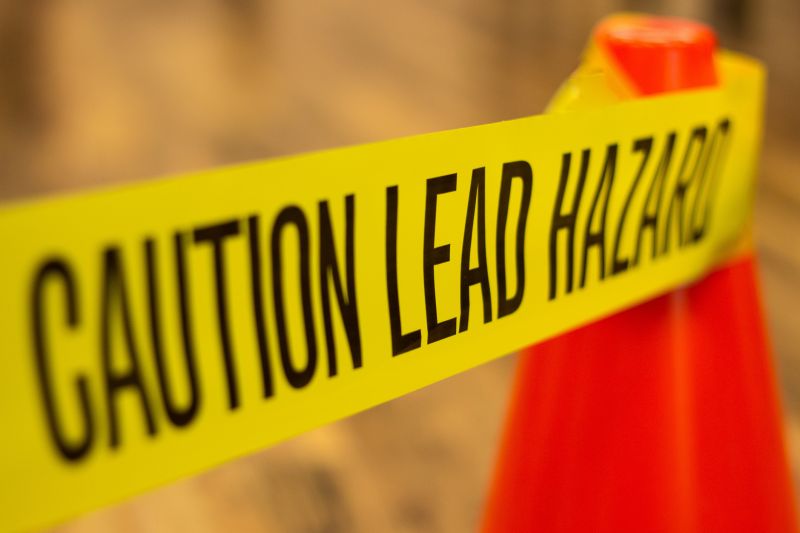
A frequent mistake in Lead Paint Removals and how to dodge it.
Small tweaks to make Lead Paint Removals safer and easier to use.
| Season | Ideal Conditions |
|---|---|
| Spring | Moderate temperatures, low humidity, dry days |
| Summer | Warm, dry weather, low humidity |
| Fall | Mild temperatures, minimal rain |
| Winter | Cold, high humidity, not recommended |
Choosing the right time for lead paint removal enhances safety and effectiveness. Proper scheduling minimizes health risks associated with lead exposure and ensures compliance with safety protocols. Weather conditions play a significant role in the success of removal projects, especially for outdoor work. Planning ahead and selecting optimal seasons can facilitate smoother operations and better outcomes.
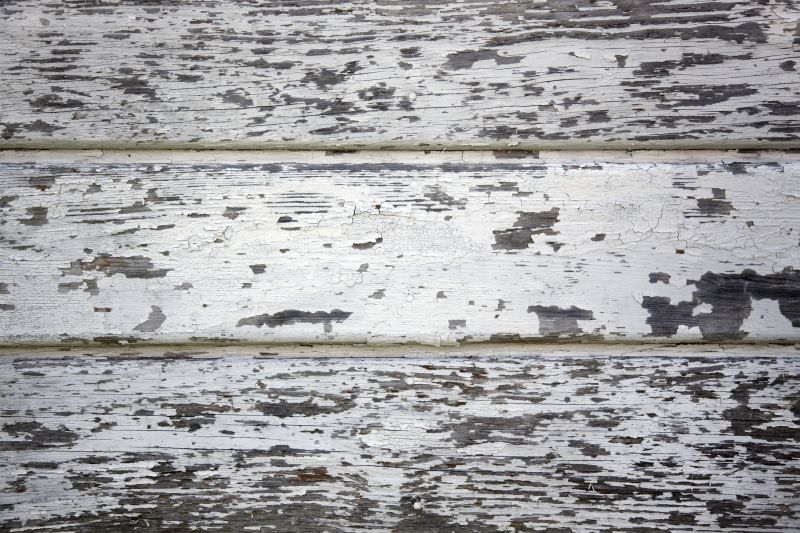
Effective planning considers seasonal weather patterns to optimize safety and efficiency.
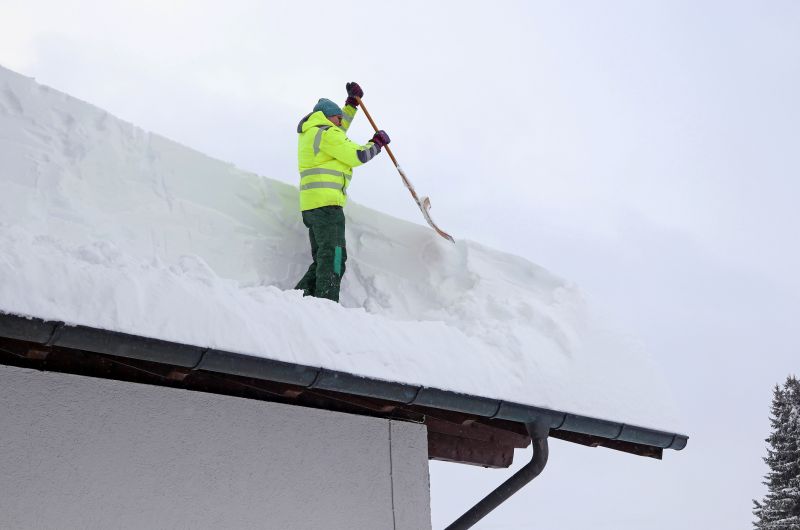
Adverse weather can cause delays and increase risks during lead paint removal.
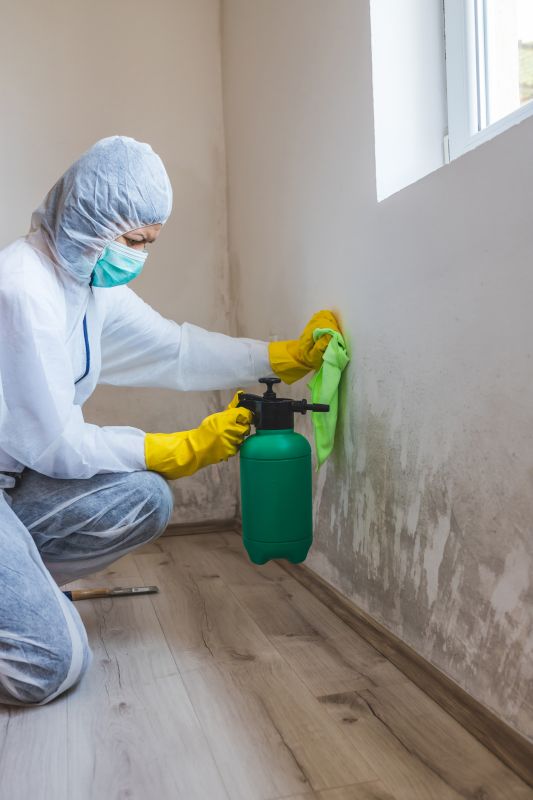
Indoor projects are less weather-dependent but still benefit from suitable conditions.
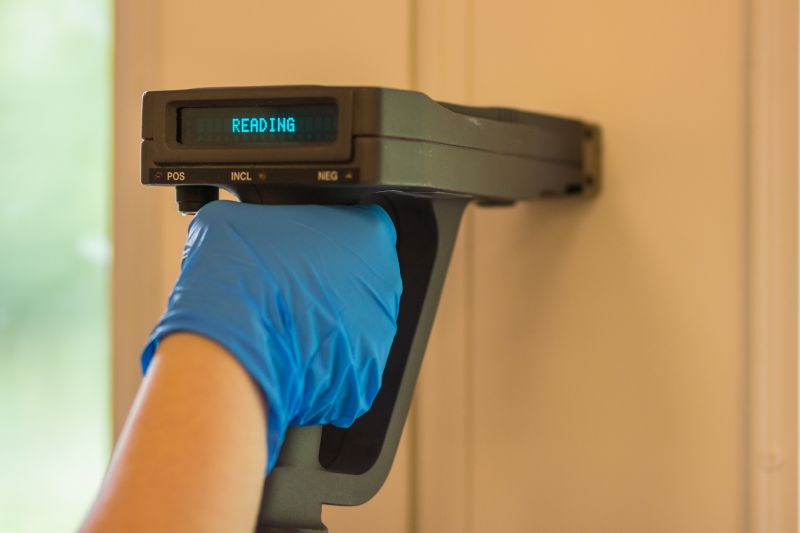
Monitoring weather helps ensure containment measures remain effective.
Lower-waste or water-saving choices for Lead Paint Removals.

The short, realistic tool list for quality Lead Paint Removals.
Rough timing from prep to clean-up for Lead Paint Removals.
Quick checks and paperwork to keep after Lead Paint Removals.
Interested parties are encouraged to contact for more information about scheduling lead paint removal projects. Proper timing is crucial for safety and compliance, and professional guidance can assist in planning the optimal time for each specific situation.