
Favorite Lead Paint Removal Products for Home Improvement Projects
Select from highly recommended tools and products to make your lead paint removal safer and more efficient.
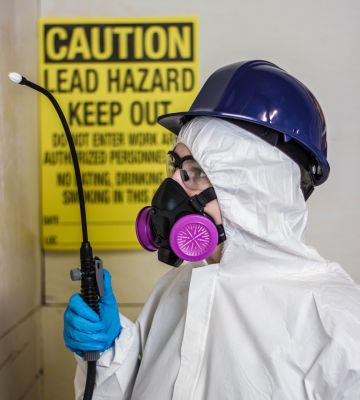 Lead-based paint removal is a critical process in maintaining safety during renovation, demolition, or remediation projects involving older structures. Proper removal techniques are essential to minimize health risks associated with lead dust and debris. A variety of products are designed to assist in safely and effectively removing lead paint, ranging from chemical strippers to abrasive tools. Selecting the right product depends on the specific surface, extent of paint, and safety considerations.
Top Overall Option
Chemical Lead Paint Stripper Gel
A versatile chemical stripper gel designed for safe application on various surfaces, providing effective lead paint removal with minimal dust generation. It adheres well to vertical surfaces and can be easily scraped off once softened, reducing the need for excessive scraping or sanding.
Types of Products For Lead Paint Removals
Chemical Paint Strippers
Liquid or gel formulations that chemically loosen lead paint for easier removal.
Abrasive Pads and Scrapers
Tools designed for manual removal of lead paint through abrasion, often used after chemical application.
Heat Guns
Devices that soften paint with controlled heat, facilitating removal with scrapers.
Infrared Paint Removers
Equipment that uses infrared heat to gently soften lead paint for safer removal.
Paint Removal Discs
Rotary discs for power tools that strip paint from surfaces efficiently.
Chemical Paint Remover Sprays
Aerosol-based products for quick application on small or detailed areas.
Vacuum Attachments for Lead Dust
Specialized vacuums with HEPA filters designed to contain lead dust during removal.
Lead Paint Encapsulation Products
Coatings that seal in lead paint to prevent deterioration without removal.
Sandblasting Equipment
High-pressure abrasive blasting for large-scale lead paint removal, used with caution.
Dust Containment Barriers
Plastic sheeting and barriers to contain dust during removal projects.
Lead Test Kits
Test kits to identify presence and levels of lead paint before removal.
Protective Gear Sets
Complete PPE kits including masks, gloves, and suits for safe handling.
Popular Choices
Widely used for its ease of application and effectiveness on various surfaces.
Commonly employed for manual removal after chemical treatment.
Gaining popularity for their gentle heating method that reduces dust.
Essential for containing lead dust during removal tasks.
Frequently used to confirm presence of lead before starting removal.
Standard safety gear for workers involved in lead paint removal.
Convenient for small or detailed paint removal projects.
Popular for their controlled heat application, making paint easier to scrape.
Chosen for projects where removal is not feasible but sealing is desired.
Commonly used to prevent lead dust spread during removal.
Effective for large surface areas when used with power tools.
Popular for quick, one-time use on small areas.
Chemical paint strippers are commonly used for their ability to soften and loosen lead paint, making it easier to scrape away with minimal dust. These products often contain solvents that can be applied directly to painted surfaces, allowing for controlled removal. Mechanical options, such as safe abrasive pads and scrapers, provide an alternative for situations where chemical use is limited or undesirable. These tools can be effective on different surfaces, including wood, metal, and plaster.
Safety during lead paint removal cannot be overstated. Proper protective equipment, such as gloves, masks, and eye protection, should always be used. Additionally, containment measures like plastic sheeting and ventilation help prevent the spread of lead dust. It is important to follow manufacturer instructions carefully and dispose of debris in accordance with local regulations. Professional guidance or testing may be advisable to determine the safest and most effective removal method for each project.
Key Buying Considerations
- Type of surface to be treated and compatibility with removal products
- Extent and condition of the lead-based paint
- Safety features and protective equipment requirements
- Ease of application and removal process
- Potential for dust generation and containment needs
- Environmental conditions such as ventilation and workspace size
- Regulatory compliance and disposal requirements
- Product formulation, whether chemical, abrasive, or heat-based
- User experience and ease of handling
- Cost and availability of replacement parts or accessories
- Durability and effectiveness over the duration of the project
- Compatibility with existing tools or equipment
- Instructions for use and safety warnings
- Potential for surface damage or residual effects
- Shelf life and storage conditions of the product